Summary of the Space Law & Policy Conference (Nov 19–20, 2025)
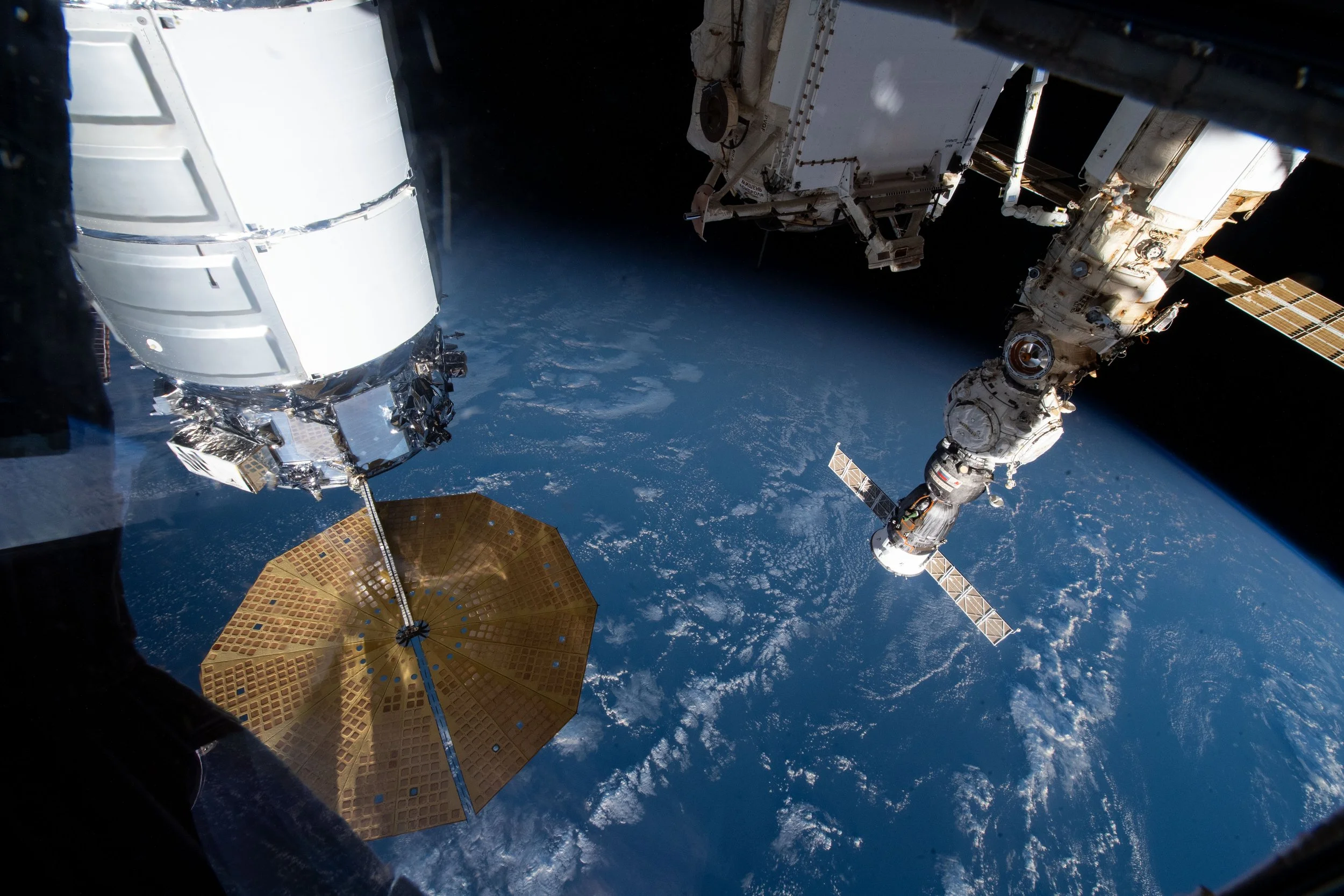
I had the opportunity to participate in the United Nations Office for Outer Space Affairs (UNOOSA) Space Law and Policy Conference in Vienna—an essential multilateral forum for examining the rapidly evolving challenges of space governance. What emerged across all panels was a community of practitioners, policymakers, engineers, and legal scholars who are simultaneously grappling with increasingly complex issues yet remain deeply committed to ensuring that outer space continues to be a safe, secure, and accessible domain for all States. The dramatic expansion and diversification of global space activity, combined with growing orbital congestion, has made it urgent to move from aspirational policy to operational practice.
Scopri di più
Summary of the Conference on the Commercial Lunar Landscape and Policy Needs (Nov 17–18, 2025)
This conference forms part of the five UNOOSA Strategic Initiatives 2025–2030 (1), specifically the One Moon for All initiative, which benefits from a clearly articulated timeline and budgetary framework. In seeking to preserve the foundational spirit of the Outer Space Treaty (“OST”), the Committee on the Peaceful Uses of Outer Space (COPUOS) has examined a range of initiatives concerned with the governance of lunar operations (2). These include the work of the Working Group on the Legal Aspects of Space Resources and, more recently, the proposal to establish the Action Team on Lunar Activities Consultation (ATLAC). The Committee observed that Articles IX and XI OST impose obligations relating to the exchange of information and the establishment of mechanisms for prior notification.
Scopri di più
Reflections on the citizenship question in the abrogative referendum
on November 20, 2007, I was there handing a letter to then-President of the Republic Giorgio Napolitano on the occasion of the National Day for the Rights of Children and Adolescents at the Quirinale Palace, since at that time I was not an Italian citizen and represented the G2 Second Generations Network. It feels like another era. Gianfranco Fini was calling his government allies “assholes.” Roberto Maroni shrugged his shoulders alongside Silvio Berlusconi, and they claimed that the reform wasn’t part of the People of Freedom party's agenda. I remember the Sarubbi-Granata bill, a joint initiative between the PD and the PDL. I remember the discussions at the Ministry of Social Solidarity led by Paolo Ferrero, who had summoned the association. I was there on October 13, 2015, when the Chamber of Deputies passed the citizenship reform bill in a first reading with a broad majority. I was there when, in 2017, thanks to the PD, just before Christmas, this proposal was not scheduled in the Senate, causing it to sink. I was there when a popular initiative bill was drafted with ASGI, Save the Children, the G2 Second Generations Network, and many other third-sector organizations, to mark the 150th anniversary of Italian unification. I’m still here. Little has changed. I was 17 in 2007. Today I’m 34. What has changed?
Scopri di più
BRICS: A new multilateralism between heaven and Earth?
[..] Speaking of the potential of BRICS countries, the space aspect is often overlooked. In total, there are around 80 space agencies in the world, including all BRICS countries. However, only nine agencies are capable of producing space launchers, including Russia, India, and China. Only three states in the world have conducted human spaceflights: Russia, China, and the United States. Furthermore, these countries have or have had their own orbital stations.
As we can see, BRICS brings together not only members with high potential in the space industry but also space leaders.
Scopri di più
World disorder
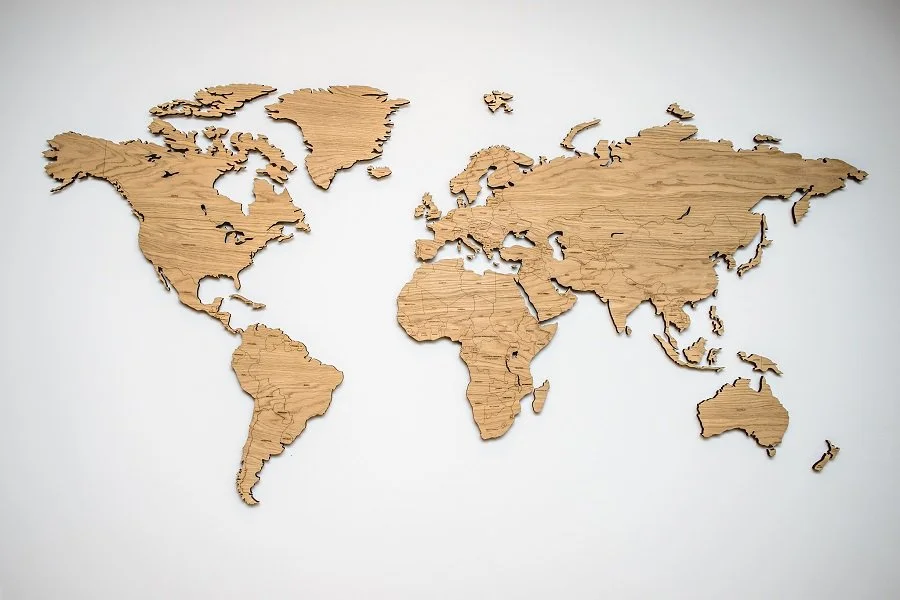
[..] why, then, have the economically and strategically dominant Western nations failed to secure the worldwide denunciation of what is obviously a blatant breach of international law? The answer is simple: it may have less to do with Ukraine and more to do with America. There is fear and suspicion among the nations of the world of being drawn into another showdown between the United States and Russia. Kyiv may be the victim and Moscow the aggressor, but in the eyes of many, Washington is not entirely innocent in all of this. Having proclaimed itself the "policemen of the world", the United States is accused or seen interfering in the internal affairs of other states under various pretexts, including in Russia and China. In addition, Western countries with American traction are accused of double standards when it comes to aggression, occupation and violations of international law: one rule for allies and another for the rest of the world, just as it was during the Cold War. That war might have been cold in the north, but it was burning in the Global South, where Moscow and Washington engaged in proxy conflicts to further their interests, regardless of the human cost.
Scopri di più
On the all things wrong about your stupid and hypocritical "immigration", whatever thing you mean with this term
Someone could accuse me of cruelty but assuming that most Africans come regularly and just a very small number come irregularly, in which an even smaller group meets the requirements of asylum seekers, why should Italy "welcome" those who have no right to stay in the country? And why should Europe do something and there is never a discussion on what those African states should do or already do for those who are their citizens?
Scopri di più
Who is afraid of the dragon?
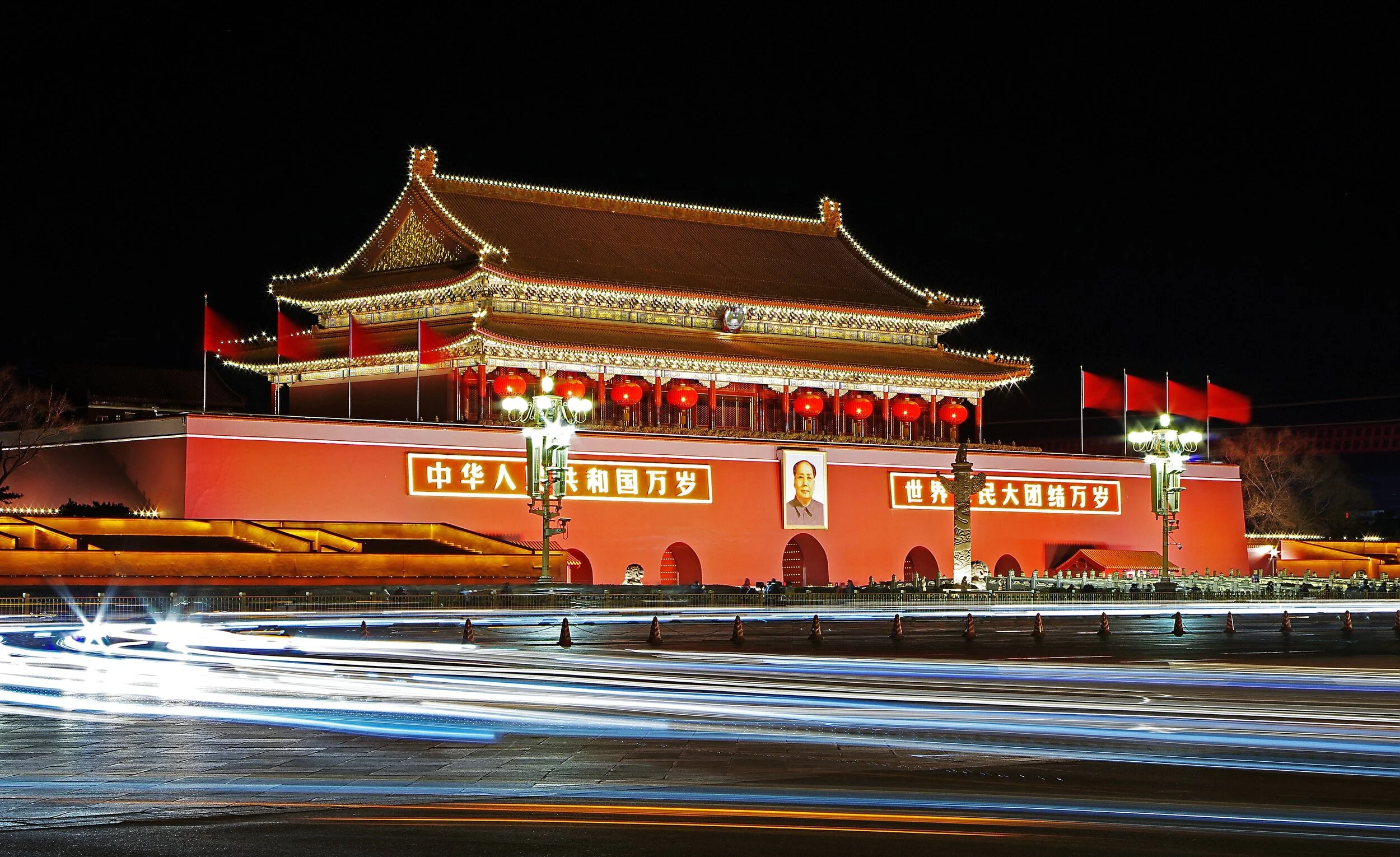
Today, many countries in the rest of the world are growing in terms of well-being and economic activity. This seriously undermines the current order, highlighting the weakest aspect of this system: most of humanity does not live in the West, and the resources of the planet are scarce. Maintaining such uncontrolled and omnivorous consumption that does not respect the biosphere's natural ability to reproduce the resources we need is the real dilemma of our century. [..] The clash between the United States and China highlights precisely this problem that neither country is able to solve alone. Indeed, the conflict is zero-sum: it does not benefit anyone.
Scopri di più